
Stress Management
Reflexology support for stress management
This stress that has become so commonplace… it seems normal now to “put up with it”… it has become part of everyday language…
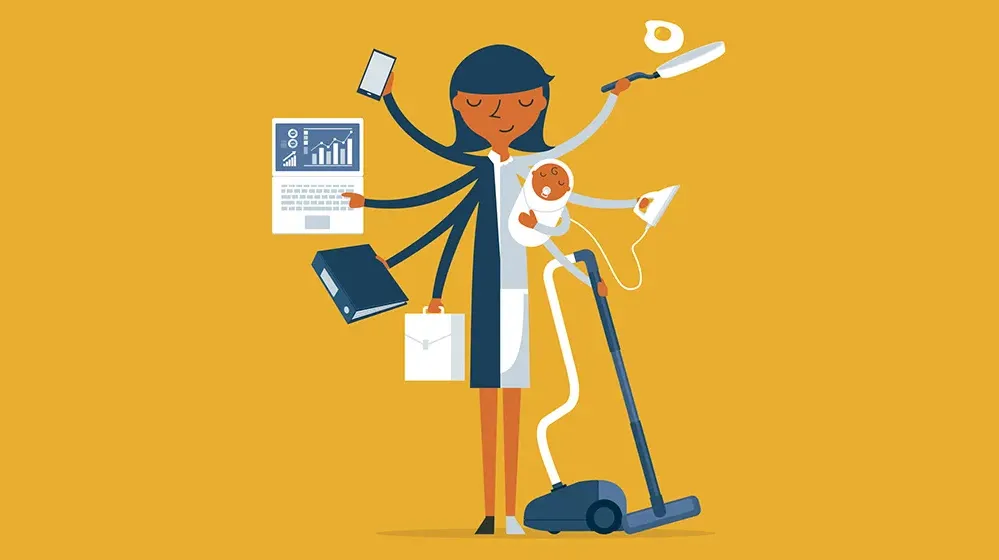
But what stresses us?
Sources of stress are many and everywhere:
- life events: marriage, birth, starting school, losing a loved one, job loss, illness, loneliness, moving house…
- the outside environment: noise, weather, pollution, lockdowns, pandemics, the economic situation, political tensions…
- other people: partner, family, colleagues, friends…
- our thoughts and beliefs: fears, worries, self-esteem, expectations, perceptions…
Stress… a killer?

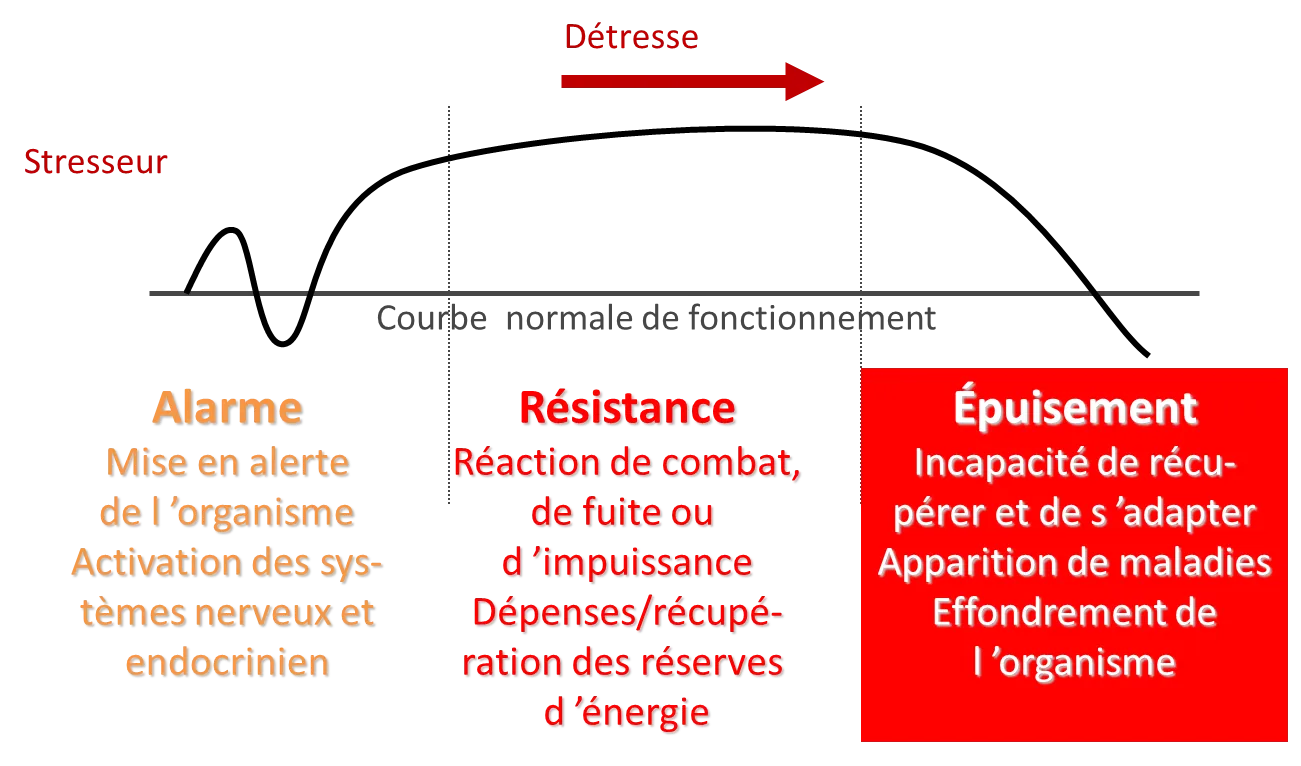
Stress, essential for survival, becomes harmful as soon as it takes over daily life. There are three stages of adaptation:
- the ALARM stage:
this is acute stress. The body can react quickly, multiply its mental and physical strength, and also return to balance - the RESISTANCE stage:
this is repeated stress, the adaptation stage. The body tries to adapt as best it can, but returning to balance is no longer possible. Physiological problems appear: migraines, fatigue, anxiety, intestinal complaints, heart palpitations, weight gain, high blood pressure, neck pain, sciatica, etc. - the EXHAUSTION stage:
this is chronic stress setting in. The nervous system can no longer release the pressure and regulate physiological mechanisms, and the body can no longer replenish its resources. More serious problems emerge: weakened immune system, heart attack, stomach ulcer, cancer recurrence, memory problems, depression, burnout, etc.
Reflexology to manage stress?
Stress, an adaptive reaction and a natural mechanism of our body, can affect anyone in daily life. Its intensity varies from person to person depending on their personality and their ability to handle the stressful situation. Everyone experiences it through different physical, mental and emotional signs and symptoms.
Unfortunately, silencing stress by willpower alone is not possible… Who has never felt powerless on hearing the famous “just let go!”?
Reflexology offers complete, personalised support for children, teenagers, adults and seniors. Stress is addressed and “tamed” in an individual, tailored way. The number and frequency of sessions depend on the person’s stress level.
For me, supporting someone in managing stress means
- verbal support: taking a break to put words to what hurts, listening to what stress has to tell us, giving you the time and space to clarify your thoughts…
- a reflexology protocol: relaxation techniques, calming the neuro-endocrine system, working on the reflex zones specific to your complaints and to metabolism…
so that you feel better, heard, calmer and more balanced physically and emotionally, and equipped to manage stress.
A new horizon…